
Nuclear War: A Scenario ⎼ Article Plan (as of 12/04/2025 13:53:36)
Annie Jacobsen’s compelling work‚ Nuclear War: A Scenario‚ meticulously details a potential North Korean attack‚ sparking vital discussions about nuclear defense vulnerabilities.

Geopolitical tensions are escalating‚ fueling anxieties about nuclear war; Jacobsen’s book taps into this‚ examining a plausible attack and questioning current deterrence strategies’ effectiveness.
Current Geopolitical Landscape & Nuclear Threats
The global political climate is increasingly fraught with instability‚ marked by renewed great power competition and regional conflicts. Several nations possess nuclear capabilities‚ creating a complex web of potential threats and escalating risks. North Korea’s continued development of nuclear weapons and ballistic missiles‚ coupled with its aggressive rhetoric‚ presents a particularly acute danger‚ as highlighted in Jacobsen’s scenario.
Russia’s invasion of Ukraine has further heightened tensions‚ raising concerns about the potential for nuclear escalation‚ even if remote. China’s growing military power and assertive foreign policy also contribute to the evolving nuclear landscape. These factors‚ combined with the erosion of arms control treaties and a lack of consistent diplomatic engagement‚ create a volatile environment where miscalculation or accidental conflict could have catastrophic consequences. The post-Oppenheimer interest in nuclear war underscores a growing public awareness of these dangers.
Annie Jacobsen’s “Nuclear War: A Scenario” ౼ Context and Significance
Annie Jacobsen’s Nuclear War: A Scenario arrives amidst heightened public and strategic concern regarding nuclear conflict‚ capitalizing on the renewed interest sparked by the film Oppenheimer. The book distinguishes itself by presenting a detailed‚ plausible‚ and deeply unsettling simulation of a North Korean nuclear attack on Washington D.C.‚ grounded in extensive interviews with individuals possessing firsthand knowledge of U.S. nuclear defense protocols.
Its significance lies in its unflinching examination of vulnerabilities within the current deterrence framework and its critique of assumptions regarding response times and decision-making processes. Jacobsen’s work isn’t merely a technical analysis; it’s a stark warning about the potential for miscommunication and the catastrophic consequences of nuclear war‚ already a New York Times bestseller with potential for adaptation into a film.
The Purpose of Scenario Planning in Nuclear Deterrence
Scenario planning‚ as exemplified by Jacobsen’s work‚ serves a crucial function in nuclear deterrence by challenging established assumptions and identifying potential weaknesses in existing strategies. It moves beyond theoretical models to explore the chaotic reality of a nuclear exchange‚ forcing policymakers to confront the human element and the potential for unforeseen consequences.
By meticulously detailing a plausible attack scenario‚ it highlights the risks of miscalculation‚ accidental escalation‚ and the limitations of current command and control systems. This process isn’t about predicting the future‚ but rather preparing for a range of possibilities‚ fostering a more realistic understanding of the stakes‚ and prompting continuous re-evaluation of deterrence strategies.

The Core Scenario: A North Korean Attack on Washington D.C.
Jacobsen’s central premise involves a deliberate nuclear strike initiated by North Korea targeting Washington D.C.‚ a chilling exploration of potential vulnerabilities.
Rationale for the Chosen Scenario (North Korea)

Annie Jacobsen strategically selected North Korea as the aggressor in her scenario due to the nation’s demonstrated pursuit of nuclear weapons and ballistic missile technology‚ coupled with its unpredictable leadership and history of provocative actions. This choice isn’t based on an assessment of North Korea possessing the greatest capability‚ but rather on its perceived willingness to potentially utilize such weapons‚ making it a plausible‚ albeit terrifying‚ catalyst for conflict.
The selection allows for a focused examination of U.S. response protocols and vulnerabilities‚ avoiding the complexities of a larger-scale conflict involving more powerful nuclear states. Jacobsen’s intent is to highlight the flaws in current deterrence theory and the potential for miscalculation‚ even in a scenario involving a less conventionally threatening actor. The book emphasizes that even a limited nuclear exchange could have catastrophic consequences‚ regardless of the initiating nation.
Initial Stages of the Attack: Missile Launch & Detection
Jacobsen’s scenario meticulously details the initial moments of a North Korean nuclear attack‚ beginning with a missile launch detected by U.S. early warning systems. This detection triggers immediate alerts within the Pentagon and the White House Situation Room‚ initiating a cascade of verification procedures. The book emphasizes the critical importance of accurate and timely intelligence during these initial seconds‚ highlighting the potential for false alarms and the pressure on analysts to quickly assess the threat’s credibility.
The narrative explores the complex interplay between satellite surveillance‚ radar systems‚ and human analysis‚ illustrating the challenges of distinguishing a genuine attack from a training exercise or system malfunction. These crucial first minutes determine the subsequent course of action‚ influencing whether the U.S. adopts a defensive posture or prepares for potential retaliation.
U.S. Response Protocols & Decision-Making Processes

Jacobsen’s account delves into the intricate U.S. response protocols activated upon confirmation of an incoming nuclear missile. The President‚ advised by the National Security Council‚ faces agonizingly swift decisions regarding retaliation options‚ ranging from limited strikes to full-scale counterattacks. The book highlights the pre-planned war plans‚ detailing the complex authorization procedures and the role of the “football” – the briefcase containing the codes for launching a nuclear response.
The narrative underscores the potential for miscommunication and delays within the chain of command‚ emphasizing the human element in a high-stakes scenario. It explores the inherent risks of relying on automated systems and the critical need for clear‚ concise communication to prevent accidental escalation. The decision-making process‚ fraught with uncertainty‚ is presented as a terrifyingly complex undertaking.

Immediate Consequences: The First Hours
Initial impacts involve catastrophic blast radii‚ immense casualties‚ and widespread infrastructure collapse‚ compounded by a devastating electromagnetic pulse disrupting vital systems.

Impact on Washington D.C.: Blast Radius & Initial Casualties
A nuclear detonation over Washington D.C.‚ as explored in Jacobsen’s scenario‚ would initiate a cascade of destruction. The immediate blast radius‚ dependent on yield‚ would obliterate structures and inflict near-total casualties within a defined zone – potentially encompassing iconic landmarks and government buildings.
Beyond this‚ a significant area would experience severe damage from thermal radiation and shockwaves‚ leading to widespread fires and structural collapse. Initial casualty estimates‚ factoring in population density and time of day‚ would range into the hundreds of thousands‚ with countless more injured and displaced.
Emergency services would be immediately overwhelmed‚ hindering rescue efforts and exacerbating the crisis. The sheer scale of devastation would render large portions of the city uninhabitable‚ creating a humanitarian catastrophe of immense proportions. The scenario highlights the vulnerability of concentrated population centers to such an attack.
Electromagnetic Pulse (EMP) Effects & Infrastructure Collapse
A high-altitude nuclear detonation‚ central to Jacobsen’s scenario‚ generates an Electromagnetic Pulse (EMP) – a surge of energy capable of crippling electronic infrastructure. This EMP would cascade across a vast geographical area‚ inducing currents in electrical grids‚ communication networks‚ and electronic devices.
The resulting infrastructure collapse would be widespread and immediate. Power grids would fail‚ plunging cities into darkness. Communication systems – including internet‚ cellular networks‚ and radio – would be rendered inoperable‚ severing vital links. Transportation systems relying on electronic controls‚ like trains and air traffic control‚ would grind to a halt.
Essential services‚ such as hospitals‚ banking‚ and emergency response‚ would be severely hampered‚ escalating the chaos. The long-term consequences of such a systemic failure would be profound‚ hindering recovery efforts and exacerbating societal disruption.
Communication Breakdown & Command Control Issues
Following a nuclear attack‚ particularly one preceded by an EMP‚ the United States would face a catastrophic breakdown in communication. Jacobsen’s research highlights the vulnerability of current systems‚ emphasizing the potential for complete isolation of command structures.
Secure communication lines‚ vital for relaying orders and assessing damage‚ would likely be compromised. This disruption would severely impede the President’s ability to command and control the military‚ creating a dangerous vacuum in leadership. Redundancy systems‚ intended to mitigate such failures‚ may also be affected by the EMP.
The resulting confusion and lack of reliable information could lead to delayed responses‚ miscalculations‚ and an increased risk of unintended escalation. Maintaining command and control in such a chaotic environment presents an immense challenge.

Escalation Dynamics & Potential Retaliation
Jacobsen’s analysis underscores the terrifying potential for miscalculation‚ accidental escalation‚ and the complex decision-making surrounding U.S. nuclear retaliation options.
The Risk of Miscalculation & Accidental Escalation
Annie Jacobsen’s work powerfully illustrates how easily a limited exchange could spiral into full-scale nuclear war‚ driven by flawed assumptions and imperfect information. The speed of events‚ coupled with the inherent complexities of command and control systems‚ dramatically increases the risk of misinterpreting intentions or reacting disproportionately to perceived threats.
The potential for false alarms‚ technical malfunctions‚ or human error in the heat of a crisis is substantial. Furthermore‚ the book highlights the danger of escalating rhetoric and the difficulty of maintaining clear communication channels during periods of intense geopolitical tension. A crucial element is the possibility of a preemptive strike based on incomplete intelligence‚ or a retaliatory response triggered by a cyberattack targeting early warning systems. These factors collectively contribute to a precarious situation where accidental escalation becomes a very real possibility‚ with catastrophic global consequences.
U.S. Nuclear Retaliation Options & Targets
Jacobsen’s analysis delves into the grim realities of U.S. nuclear retaliation strategies‚ revealing a complex web of pre-planned responses designed to deter aggression. These options range from limited strikes against military targets to full-scale counterattacks aimed at crippling an adversary’s ability to wage war. The book suggests potential targets could include command centers‚ missile silos‚ and key infrastructure‚ though the specifics remain highly classified.
However‚ the effectiveness of these plans is questioned‚ given the potential for significant collateral damage and the risk of triggering further escalation. The concept of “assured destruction” is examined‚ alongside the challenges of maintaining a credible deterrent in a rapidly changing geopolitical landscape. The inherent uncertainties surrounding a nuclear exchange raise serious doubts about the viability of any retaliatory strategy‚ highlighting the devastating consequences for all involved.
Global Reactions & Potential for Wider Conflict
Jacobsen’s work underscores the terrifying prospect of a localized nuclear exchange spiraling into a global catastrophe. A North Korean attack on the U.S.‚ even a limited one‚ would undoubtedly trigger a cascade of international reactions. Allies would be compelled to respond‚ while other nations would scramble to assess the threat and protect their interests. The potential for miscalculation and unintended escalation is immense‚ particularly involving nations with existing geopolitical tensions.
The book highlights the precariousness of the current international order and the fragility of existing alliances. A wider conflict could quickly engulf multiple continents‚ drawing in major powers and potentially leading to a full-scale nuclear war. The resulting devastation would be unprecedented‚ with long-lasting consequences for the entire planet.
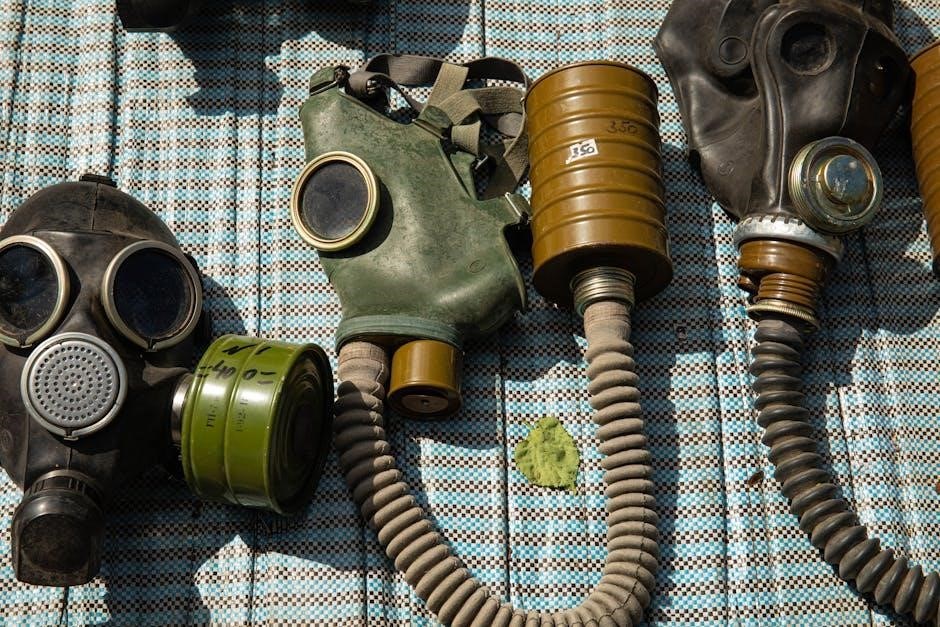
Long-Term Effects & Survivability
Jacobsen’s analysis reveals grim prospects: nuclear winter‚ societal collapse‚ resource scarcity‚ and enduring health consequences from radiation exposure threaten long-term survival.
Nuclear Winter: Modeling & Potential Impacts on Climate
Annie Jacobsen’s work acknowledges the ongoing research into modeling “nuclear winter‚” a phenomenon where massive fires ignited by nuclear detonations inject vast amounts of soot into the upper atmosphere. This soot layer would block sunlight‚ leading to drastic global cooling‚ potentially triggering widespread crop failures and famine. While uncertainties remain regarding the precise extent and duration of such cooling – dependent on factors like target selection and yield – even limited nuclear exchanges could induce significant climate disruption.
Contemporary models‚ continually refined‚ attempt to account for these complexities. The potential impacts extend beyond temperature drops‚ encompassing altered precipitation patterns and ozone depletion. Jacobsen highlights the terrifying prospect of a cascading ecological collapse‚ rendering large portions of the planet uninhabitable for extended periods‚ fundamentally challenging long-term human survivability.
Societal Collapse & Resource Scarcity
Following a nuclear exchange‚ as detailed in Annie Jacobsen’s analysis‚ societal structures would likely disintegrate rapidly. The destruction of infrastructure – power grids‚ communication networks‚ transportation systems – coupled with widespread casualties‚ would overwhelm remaining resources and emergency services. Basic necessities like food‚ water‚ and medical care would become critically scarce‚ fostering competition and conflict.
Governmental authority could fracture‚ leading to localized power struggles and the breakdown of law and order. The disruption of agricultural production‚ exacerbated by potential “nuclear winter” conditions‚ would create long-term food shortages. Jacobsen’s work implicitly suggests a return to localized‚ survival-focused communities‚ battling for dwindling resources in a drastically altered world‚ a grim prospect for humanity’s future.
Long-Term Health Consequences of Radiation Exposure
Annie Jacobsen’s Nuclear War: A Scenario‚ while focusing on immediate impacts‚ implicitly highlights the devastating long-term health consequences of radiation exposure. Survivors would face dramatically increased risks of cancers – leukemia‚ thyroid cancer‚ and others – due to ionizing radiation. Genetic mutations could lead to birth defects and hereditary illnesses in subsequent generations.
Beyond cancer‚ radiation sickness manifests in various forms‚ damaging the immune system‚ cardiovascular system‚ and central nervous system. Access to medical care would be severely limited‚ hindering treatment and increasing mortality rates. The psychological trauma of surviving a nuclear attack‚ compounded by the chronic health effects‚ would create a prolonged public health crisis‚ impacting populations for decades.

Critiques & Limitations of Scenario-Based Analysis
Jacobsen’s work‚ like all scenario planning‚ faces inherent uncertainties in modeling complex events‚ acknowledging the unpredictable role of human factors and decision-making.
Uncertainties in Modeling Nuclear War Scenarios
Modeling a nuclear exchange presents formidable challenges‚ riddled with inherent uncertainties that limit predictive accuracy. The precise effects of a detonation – blast radius‚ electromagnetic pulse (EMP) intensity‚ and subsequent firestorms – are subject to variables difficult to fully quantify. Jacobsen’s analysis‚ while grounded in expert interviews‚ acknowledges the limitations of forecasting human responses under extreme duress.
Furthermore‚ accurately predicting escalation dynamics remains elusive; miscalculation‚ communication failures‚ or unauthorized actions could drastically alter the course of events. Climate models attempting to simulate “nuclear winter” grapple with complex atmospheric interactions and feedback loops‚ introducing substantial margins of error. The book highlights that even sophisticated simulations are simplifications of a profoundly complex reality‚ offering plausible scenarios rather than definitive predictions. These models rely on assumptions about weapon yields‚ targeting strategies‚ and environmental conditions‚ all subject to change and intelligence gaps.
The Role of Human Factors & Unpredictability
Annie Jacobsen’s work underscores that nuclear war isn’t solely a technological problem; it’s fundamentally a human one. Decision-making under immense pressure‚ the potential for cognitive biases‚ and the influence of individual personalities all introduce significant unpredictability. The chain of command‚ while seemingly rigid‚ is susceptible to breakdowns in communication and conflicting interpretations of events.
The book emphasizes the critical role of “human factors” – the fallibility of individuals and the potential for errors in judgment – which can dramatically alter calculated scenarios. Furthermore‚ the actions of lower-level personnel‚ or even rogue actors‚ could trigger unintended escalation. Predicting these human responses with certainty is impossible‚ rendering any model incomplete. This inherent unpredictability highlights the dangers of relying solely on technical assessments and the necessity for robust safeguards against miscalculation and accidental war.
The Importance of Continuous Re-evaluation of Deterrence Strategies
Annie Jacobsen’s Nuclear War: A Scenario powerfully argues that current deterrence strategies are not foolproof and require constant‚ rigorous re-evaluation. The geopolitical landscape is dynamic‚ with emerging technologies and shifting alliances altering the risk calculus. Relying on outdated assumptions about rational actors and predictable responses is dangerously naive.
The book’s detailed scenario exposes vulnerabilities in existing defense protocols and highlights the potential for miscommunication to escalate a crisis. Continuous wargaming‚ incorporating diverse perspectives and challenging established doctrines‚ is crucial. Furthermore‚ open dialogue about the realities of nuclear conflict – acknowledging the potential for catastrophic failure – is essential to fostering a more secure future. A static approach to deterrence invites disaster; adaptability and proactive assessment are paramount.