
Craftsman Weedwacker 25cc Manual: A Comprehensive Guide
This manual details Craftsman 25cc weedwackers (models 316.794490, 358.791520). It covers safety, assembly, operation, maintenance, troubleshooting, and parts—essential for optimal performance.
Welcome to the world of efficient landscaping! This Craftsman 25cc weedwacker, encompassing models like 316.794490 and 358.791520, is designed for tackling tough overgrowth. This guide provides crucial information for safe and effective operation. Before use, carefully review all safety precautions and operating instructions detailed within this manual. Understanding your trimmer’s features and capabilities will ensure years of reliable service, maximizing its performance for all your yard maintenance needs.
Safety Precautions and Warnings
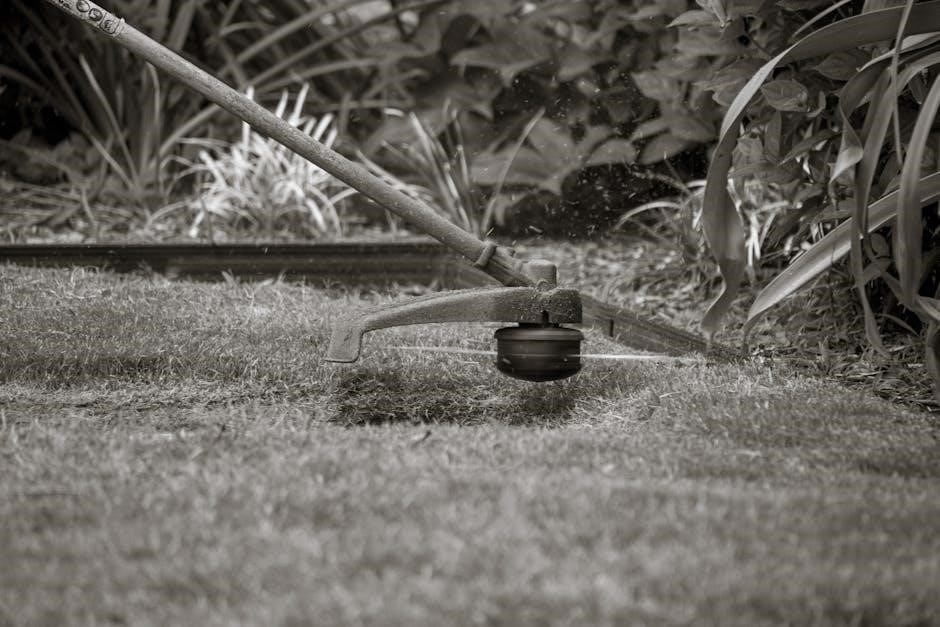
Prioritize safety during operation! Always read the entire manual before using your Craftsman 25cc weedwacker. Wear appropriate safety gear, including eye protection and sturdy footwear. Keep bystanders, especially children, at a safe distance. Never operate the trimmer with missing parts or modifications. Be mindful of power lines and avoid wet conditions. Disconnect the spark plug before maintenance to prevent accidental starting—crucial for safe handling.
Model Numbers and Specifications
Craftsman 25cc weedwackers come in various models. Common numbers include 316.794490 (4-cycle) and 358.791520 (2-cycle). Engines are typically 25cc with either 2-cycle or 4-cycle functionality. Cutting paths range around 17 inches, utilizing 0.080 or 0.095-inch line. Understanding your specific model number is vital for correct parts ordering and maintenance procedures, ensuring optimal performance and longevity.
Identifying Your Specific Model (e.g., 316.794490, 358.791520)
Locate the model number on the weedwacker’s housing, typically near the engine or handle. Common examples are 316.794490 and 358.791520. This number is crucial for accessing the correct parts diagrams, operator’s manual, and troubleshooting guides. Knowing your model ensures you use the appropriate fuel mixture, maintenance schedule, and replacement parts, maximizing performance and safety.
Engine Specifications: 25cc, 2-Cycle vs. 4-Cycle
Craftsman 25cc weedwackers utilize either 2-cycle or 4-cycle engines. 2-cycle engines require a fuel/oil mixture, while 4-cycle engines use straight gasoline with a separate oil reservoir. The displacement is 25cc (1.5 cu. in.). Identifying your engine type is vital for proper fueling and oil maintenance. Refer to your specific model’s manual for detailed specifications and requirements.
Assembly Instructions

Before operation, proper assembly is crucial for safety and performance. This involves attaching the handle securely, ensuring all controls are functioning correctly, and installing the string head. Carefully follow the diagrams in your operator’s manual. Double-check all connections and fasteners. Incorrect assembly can lead to malfunctions or potential injury during use.
Attaching the Handle and Controls
Securely fasten the handle to the weedwacker’s engine housing using the provided bolts. Ensure a firm grip and proper alignment for comfortable operation. Connect the throttle trigger and on/off switch, verifying smooth movement and responsiveness. Tighten all screws and bolts firmly, but avoid over-tightening. Regularly inspect these connections before each use.
String Head Installation and Loading
To install, align the string head with the drive shaft and firmly push until it clicks into place. Load the .080” or .095” trimmer line through the designated holes, following the head’s winding direction. Ensure equal line lengths on both sides for balanced trimming. Avoid overfilling; leave space for line feeding.
Operating Instructions
Before starting, ensure the area is clear of obstructions. For a cold start, prime the bulb, set the choke, and pull the starter cord. A warm start requires no choke. Maintain a firm grip and trim away from your body. Adjust cutting height and angle for optimal results, avoiding excessive force.

Starting the Weedwacker (Cold & Warm Start)
For a cold start, prime the fuel bulb several times. Set the choke lever to the ‘closed’ position. Grip the starter handle firmly and pull the cord with a smooth, steady motion. For a warm start, set the choke to ‘open’ or half-choke, and pull the starter cord until the engine engages.
Proper Trimming Techniques
Maintain a safe distance from objects while trimming. Use a sweeping motion, moving the weedwacker from side to side. Avoid forcing the line into thick weeds; let the trimmer do the work. Keep the cutting head at a slight angle for a cleaner cut. Regularly check for debris buildup and clear as needed.
Adjusting Cutting Height and Angle
Adjust the cutting height by modifying your stance and handle position. Tilting the weedwacker head alters the cutting angle, useful for edges and undergrowth. For thicker areas, a lower angle provides more power. Regularly inspect the line length; shorter lines reduce cutting efficiency. Maintain control for precise trimming.
Fueling and Mixing
Proper fuel mixture is crucial for 2-cycle Craftsman 25cc engines. Use a 50:1 ratio of high-quality 2-cycle oil and gasoline. Always mix fuel in a separate container, never directly in the weedwacker’s tank. Ensure thorough mixing before fueling. Fuel safely, away from sparks or flames, and avoid overfilling. Stabilize fuel for storage.
Recommended Fuel Mixture (for 2-Cycle Engines)
For optimal performance, Craftsman recommends a 50:1 fuel-to-oil ratio for its 2-cycle 25cc weedwacker engines. This translates to 5 ounces of high-quality 2-cycle oil per gallon of unleaded gasoline. Using the correct mixture ensures proper lubrication, preventing engine damage and extending the life of your weedwacker.
Fueling Procedures and Safety
Always fuel the weedwacker outdoors in a well-ventilated area. Ensure the engine is cool before refueling. Carefully remove the fuel cap and use a funnel to prevent spills. Wipe up any spilled fuel immediately. Never smoke or use open flames near fuel. Secure the fuel cap tightly after fueling to prevent leaks during operation.

Maintenance Schedule
Regular maintenance ensures optimal performance and longevity. Clean the air filter after each use, replacing it when visibly dirty. Inspect the spark plug every 25 hours, cleaning or replacing as needed. Lubricate the gear case annually. Always disconnect the spark plug before performing any maintenance. Following this schedule prevents issues and extends the life of your Craftsman weedwacker.
Air Filter Cleaning and Replacement
A clean air filter is crucial for engine performance. After each use, remove the filter and tap it gently to remove debris. For deeper cleaning, wash in warm, soapy water, ensuring it’s completely dry before reinstalling. Replace the filter when it becomes excessively dirty or damaged. A clogged filter restricts airflow, causing reduced power and potential engine damage.
Spark Plug Inspection and Replacement

Regular spark plug inspection ensures reliable starting and efficient combustion. Remove the plug periodically and check for fouling, wear, or damage. Clean with a wire brush if lightly soiled; otherwise, replace with a new spark plug of the correct type. Ensure proper gap setting before installation. A faulty spark plug leads to starting difficulties and reduced engine power.
Gear Case Lubrication
Maintaining proper gear case lubrication is vital for extending the life of your Craftsman weedwacker. Use a high-quality, lithium-based grease specifically designed for outdoor power equipment. Periodically check the grease level and replenish as needed; Avoid overfilling, as this can damage seals. Proper lubrication minimizes wear and ensures smooth operation of the drive shaft.
Troubleshooting Common Issues
Encountering problems? This section addresses frequent issues. If the engine won’t start, check fuel mixture, spark plug, and air filter. String feed problems often relate to improper loading or worn components. Overheating can stem from a clogged air filter or insufficient lubrication. Consult the manual for detailed diagnostics and solutions before seeking professional repair.
Engine Won’t Start
A non-starting engine requires systematic checks. First, verify the fuel tank isn’t empty and the fuel mixture is correct (for 2-cycle models). Inspect the spark plug for fouling or damage, replacing if necessary. Ensure the air filter is clean to allow proper airflow. Finally, confirm the choke is engaged correctly for cold starts, and disengaged for warm restarts.
String Feed Problems

String feed issues often stem from tangled line within the spool. Release the spool and carefully untangle or rewind the trimmer line, ensuring it’s loaded correctly. Check for debris obstructing the line outlet. Inspect the automatic feed mechanism for damage or wear. If problems persist, disassemble, clean, and reassemble the string head, verifying proper operation.
Overheating Issues
Overheating can result from a clogged air filter, restricting airflow to the engine. Regularly clean or replace the air filter as needed. Ensure adequate ventilation around the engine during operation. Inspect the cooling fins for debris accumulation, removing any obstructions. Prolonged use under heavy load can also cause overheating; allow the engine to cool periodically.
Carburetor Adjustment
The carburetor mixes air and fuel for optimal combustion. Identifying components like the idle screw and high-speed screw is crucial. Adjustments fine-tune the mixture for smooth idling and responsive acceleration. Improper settings can cause starting difficulties or poor performance. Refer to the manual for specific adjustment procedures, and always disconnect the spark plug before working on the carburetor.
Identifying Carburetor Components
Key components include the idle adjustment screw, controlling low-speed operation, and the high-speed adjustment screw, managing fuel at higher RPMs. The carburetor also features a fuel inlet, air intake, and throttle linkage. Understanding these parts is vital for proper tuning. Diagrams in the operator’s manual clearly illustrate each component’s location and function for easy identification.
Adjusting the Carburetor for Optimal Performance
Begin by warming up the engine. Adjust the idle screw for smooth operation at low speeds. Next, fine-tune the high-speed screw while the engine is under load. A slightly rich mixture ensures sufficient power, while a lean mixture improves fuel efficiency. Refer to the manual for specific adjustment procedures and avoid drastic changes—small adjustments yield the best results.
Parts Diagram and Replacement

Locate detailed parts diagrams specific to your Craftsman 25cc weedwacker model number (e.g., 316.794490, 358.791520) online or within the operator’s manual. These diagrams illustrate component placement and part numbers. Replacement parts can be ordered through Sears PartsDirect or authorized Craftsman dealers, ensuring compatibility and quality. Always verify the part number before ordering.
Locating Parts Diagrams for Your Model
To find the correct parts diagram, you’ll need your specific Craftsman 25cc weedwacker model number (like 316.794490 or 358.791520). Visit the Sears PartsDirect website and enter your model number into the search bar. Alternatively, consult the original operator’s manual—it often includes exploded views detailing each component. These diagrams are crucial for identifying parts.
Ordering Replacement Parts
Once you’ve identified the needed part using the diagram, you can order replacements through Sears PartsDirect. Ensure the part number matches precisely for compatibility with your Craftsman 25cc weedwacker. Local hardware stores may also carry common parts like string or spark plugs. Always verify the part’s suitability before finalizing your purchase to avoid issues.
Winter Storage
Preparing your Craftsman 25cc weedwacker for winter is crucial. Drain the fuel tank completely to prevent carburetor issues. Run the engine until it stalls to empty the fuel lines. Stabilize remaining fuel if long-term draining isn’t possible. Clean the exterior and store in a dry location. Disconnect the spark plug wire for safety during storage.
Preparing the Weedwacker for Long-Term Storage
Thorough preparation ensures easy spring startup. Completely drain the fuel tank and run the engine until it stops to clear lines. Clean the weedwacker, removing grass and debris. Apply a light coat of oil to metal parts to prevent rust. Store in a cool, dry place, away from direct sunlight. Disconnect the spark plug wire for added safety.
Fuel System Stabilization
Fuel degrades over time, causing starting issues. Add a fuel stabilizer to the gasoline before long-term storage, following the stabilizer’s instructions. Run the engine for a few minutes to circulate the stabilized fuel throughout the carburetor and fuel lines. This prevents gum and varnish buildup, ensuring easier starts next season.
Understanding the Operator’s Manual
The operator’s manual is your primary resource for safe and effective operation. Pay close attention to safety symbols and icons, which highlight potential hazards. Familiarize yourself with the manual’s sections – safety rules, assembly, operation, maintenance, and troubleshooting. Decoding these elements ensures proper use and extends the life of your Craftsman 25cc weedwacker.
Decoding Safety Symbols and Icons
The Craftsman manual utilizes symbols to quickly convey safety information. Understand icons indicating potential hazards like thrown objects, fuel flammability, and risk of injury. Pay attention to warnings about proper protective gear – eye protection, gloves, and sturdy footwear are crucial. Ignoring these symbols increases the risk of accidents during operation and maintenance.
Navigating the Manual’s Sections
This Craftsman manual is organized for easy reference. Begin with “Safety Precautions” before any operation. “Assembly” guides initial setup, while “Operating Instructions” detail proper use. “Fueling and Mixing” is critical for 2-cycle engines. “Maintenance” ensures longevity, and “Troubleshooting” addresses common issues. Diagrams aid parts identification and replacement, ensuring a smooth experience.
Frequently Asked Questions (FAQ)
Q: What fuel mix is required? A: 2-cycle engines need a specific gas-to-oil ratio (refer to “Fueling and Mixing”). Q: Where can I find parts? A: Use the “Parts Diagram” to locate components and order replacements. Q: Why won’t it start? A: Check “Troubleshooting” for common causes like fuel issues or a fouled spark plug.
Warranty Information
Craftsman weedwackers are covered by a limited warranty against defects in materials and workmanship. The warranty period varies by model; consult your purchase documentation for specifics. This warranty doesn’t cover damage from misuse, accidents, or normal wear. Proof of purchase is required for all warranty claims. Contact Sears Brands Management for assistance.