
Overview of Sudoku PDF Resources for Speed Solving
Sudoku PDFs offer guides that emphasize candidates and tactics․ sheets illustrate how to spot lone numbers, while free cheat‑sheet PDFs list techniques from Naked Singles to X‑Wing․ These resources boost speed by visualizing patterns․ Use now them dailyfor improvement․ quickly! Print, annotate, and practice daily․!
Types of Sudoku PDFs (Printable Guides, Cheat Sheets, Interactive PDFs)
Printable guides are the most common format․ They come as PDF files that you can download, print, and use on paper․ These guides typically contain a grid layout, numbered cells, and a side column for candidate lists․ The layout allows you to write pencil marks directly into the cells, making it easy to apply techniques such as Naked Singles, Hidden Singles, and pointing pairs․ Many printable guides also include a set of reference tables that explain common patterns, such as X‑Wings, Swordfish, and Jellyfish, so you can quickly spot them while solving․ Advanced printable versions often feature a “master key” page that lists all the rules in a single glance, a color‑coded legend for quick visual cues, and a small “practice board” at the bottom that lets you test a new technique before applying it to a full puzzle․ These PDFs are ideal for players who prefer a tactile experience and want to keep a physical copy for quick reference during competitions or timed challenges․
- Cheat sheets are compact PDFs that condense the most critical solving techniques into a single page or a two‑page spread․ They are designed for quick reference during a puzzle․ A cheat sheet will often feature a color‑coded key, a list of patterns, and a few example puzzles that illustrate each technique․ Because the information is condensed, you can glance at the sheet and immediately apply the relevant strategy without having to search for it․ Many cheat sheets also include a “quick‑start” section that explains how to set up the grid, how to write candidates, and how to read the color codes, making them perfect for beginners who need a clear, step‑by‑step guide․
- Interactive PDFs combine the advantages of printable guides with digital features․ These PDFs allow you to click on cells to reveal or hide candidate numbers, lock in confirmed numbers, and even track your solving progress․ Some interactive PDFs include built‑in timers and progress bars, which help you practice speed solving under realistic conditions․ Others offer a “hint” button that highlights the next best move based on the current state of the puzzle․ Advanced interactive versions may also support annotations, allowing you to write notes directly onto the PDF, and they can sync with cloud storage so you can access your progress from any device․ For players who enjoy a tech‑savvy approach, interactive PDFs provide a dynamic learning environment that adapts to your skill level and offers instant feedback․

Credible Sources and Free Downloads
When hunting for “tricks to solve sudoku faster pdf,” it’s essential to trust the origin․ The most reliable repositories are the official Sudoku․com library, the WebSudoku archive, and the SudokuWiki database․ These sites host thousands of puzzles and include downloadable PDFs that feature step‑by‑step solutions, candidate lists, and color‑coded hints․ For free, the PDF Drive portal offers a curated collection of Sudoku guides, while the Scribd community hosts user‑generated cheat sheets that are vetted by experienced solvers․ The Sudoku Forum’s “Resources” section hosts a weekly thread where members share newly discovered PDFs, and the “Sudoku Master” subreddit often links to high‑quality, no‑cost downloads․ Always verify the file’s publisher: a PDF signed by the Sudoku․com team or a recognized Sudoku author guarantees authenticity․ Avoid shady sites that bundle malware or offer “instant” solutions, as they often contain incomplete or incorrect techniques․ By sticking to these vetted sources, you’ll ensure that every trick you learn is accurate, up‑to‑date, and safe to use in competitive play․ Additionally, many of these PDFs are updated annually to reflect new strategies such as Jellyfish, XY‑Wing, and advanced pointing pairs․ You can also find downloadable “practice sheets” that allow you to test each technique in isolation, helping you build muscle memory before applying them to full puzzles․ Finally, always keep a backup of your favorite PDFs on a cloud drive or external storage, so you never lose access during a tournament or a long‑term training session․
When downloading, check the file size and metadata; legitimate PDFs usually range from 200KB to 1MB․ A file that is too small may be a corrupted or incomplete version․ Use a PDF reader that supports annotations, so you can highlight key candidates and add sticky notes for personal reminders․ If you prefer a printable format, choose PDFs that include a “print‑ready” layout with margins suitable for A4 paper․ For advanced solvers, look for PDFs that incorporate a “solver’s log” section, where you can record the sequence of techniques used, making it easier to review and refine your approach․ Remember to keep your PDF library organized by difficulty level—beginner, intermediate, and advanced—so you can quickly pull up the right resource during timed drills․ They also support mobile apps․ Enjoy! Use them daily!
Choosing a PDF Based on Difficulty Level
When selecting a PDF for speed‑solving, start by identifying the puzzle’s difficulty․ Beginner guides typically focus on naked and hidden singles, with clear color coding for candidates․ Intermediate PDFs introduce pointing pairs, box‑line reductions, and simple X‑wing patterns, often including a “technique index” that lets you jump to the next advanced step․ Advanced resources feature Jellyfish, Swordfish, and XY‑wing, and they usually provide a “solver’s log” section for tracking progress․ To match a PDF with your skill, scan the table of contents for keywords like “basic,” “intermediate,” or “advanced․” Many sites label PDFs with a star rating or a numeric level (1–10)․ If you’re training for competitions, choose a PDF that offers a mix of difficulty tiers, allowing you to practice incremental jumps․ Additionally, look for PDFs that include a “practice mode” section where you can solve puzzles in isolation, ensuring you master each technique before applying it to full grids․ Finally, verify that the PDF’s layout supports quick navigation—bookmarks, clickable indices, and a consistent page size help you flip through techniques without losing time․ By aligning the PDF’s difficulty with your current level, you’ll avoid frustration and maximize learning efficiency;
Apply these PDFs daily by setting a timer for each puzzle, noting the time taken for each technique, and reviewing the steps afterward․ Now today․ This systematic approach helps you identify which strategies consume the most time and which you can apply more quickly․ By consistently applying this method, you will develop muscle memory for advanced tactics, reduce hesitation, and improve overall solving speed․
Core Techniques Explained in PDF Guides
PDF guides break down core Sudoku tactics, from naked singles to advanced X‑wing․ They illustrate candidate placement, pointing pairs, and claiming․ Visual cues and step‑by‑step examples help you internalize patterns, boosting speed and confidence․ These PDFs include practice puzzles each technique refining speed now․
Naked and Hidden Singles
N a k e d S i n g l e s and H i d d e n S i n g l e s are the foundation of rapid Sudoku solving․ A naked single occurs when a cell has only one remaining candidate; the candidate is forced and can be written immediately․ Hidden singles arise when a candidate appears only once in a row, column, or 3×3 block, even if other candidates are present in that cell․ PDF guides illustrate these patterns with color‑coded grids, arrows, and step‑by‑step examples․ By marking naked singles in bold and highlighting hidden singles in a contrasting shade, solvers can quickly scan for forced numbers․ The Instructables tutorial demonstrates the “lonely number” technique: locate a digit that appears only in one block of a group, write it, and treat it as a fixed value․ Repeating this process eliminates possibilities and reveals new singles․ Candidate lists are essential; every skilled player maintains a running list of possible digits for each empty cell․ When a candidate is eliminated from all but one position in a unit, the hidden single is confirmed․ PDF cheat sheets provide quick reference tables, sample puzzles, and practice drills that reinforce recognition of singles․ Consistent use of these resources trains the eye to spot singles instantly, reducing solving time from minutes to seconds․ These PDFs also include quick quizzes to test your recognition speed․A few pages are dedicated to time‑management tips for competitive play․ A useful trick is to color‑code candidates by digit, making hidden singles pop out instantly․ Another tip is to use the “naked triple” rule, which removes candidates from the same unit․!!

Pointing Pairs/Triples and Box-Line Reduction
Pointing pairs and triples are powerful techniques that prune candidates by exploiting the alignment of a digit within a single 3×3 block․ If all possible positions for a digit in a block lie in the same row or column, that digit can be eliminated from the rest of that row or column outside the block․ Box‑line reduction is the converse: when a digit’s candidates in a row or column are confined to a single block, the digit can be removed from the remaining cells of that block․ PDF guides illustrate these patterns with shaded cells and arrows, enabling solvers to spot them at a glance․ Many printable cheat sheets provide quick‑reference tables that list every possible pointing pair or triple configuration, allowing players to practice recognition without solving full puzzles․ The Instructables tutorial demonstrates how to identify a pointing pair by scanning each block for a digit that appears only in one row; the same logic applies to triples․ Once identified, the digit is crossed out in the corresponding line, dramatically reducing the search space․ Box‑line reduction is often combined with hidden singles: after eliminating candidates, new naked or hidden singles frequently emerge․ Consistent practice with PDF worksheets that feature incremental difficulty levels helps reinforce the pattern recognition needed for speed․ Competitive players use color‑coded PDFs to highlight pointing pairs in red and box‑line reductions in blue, making the process faster during timed contests․ By mastering these techniques, solvers can cut solving time by up to 30% on medium‑to‑hard puzzles․
Candidate Lines and Claiming Technique
Candidate lines, or claiming, focus on a digit confined to a single row or column within a 3×3 block․ When all candidates for that digit lie in one line, the digit can be eliminated from the rest of that line outside the block․ PDF guides illustrate this with bold outlines and dashed lines, making the pattern obvious․ The Instructables example shows digit 7 only in the top row of the middle block, allowing removal of 7 from the rest of that row․ Printable cheat sheets list claiming configurations for quick practice․ Integrating claiming into a routine uncovers hidden singles after elimination․ Interactive PDFs let users toggle highlights, reinforcing the visual cue․ Consistent use on medium‑to‑hard puzzles cuts candidates by 15–20%, speeding solutions․ Color‑coded PDFs mark claiming patterns in green for rapid identification during timed play․ Mastery of claiming, combined with pointing pairs and box‑line reduction, builds a robust speed‑solving toolkit․

Advanced claiming variations include X‑claiming, where a digit appears twice in a block sharing a line, and Y‑claiming, where it appears three times sharing a line․ Both allow elimination from the corresponding line outside the block․ PDF tutorials present these as two‑step processes: identify the candidates, then cross out the digit from the line․ These patterns appear in higher‑difficulty PDFs and require solid basic claiming knowledge․ Annotated PDFs show progression from initial placement to final elimination, cementing logic․ Online worksheets mix standard and advanced claiming examples, letting solvers test recognition speed․ Consistent application often lets players solve puzzles in under ten minutes, a marked improvement over trial‑and‑error methods․
To maximize efficiency, many solvers create a personal cheat sheet within the PDF, highlighting claiming patterns in a distinct color and annotating common configurations․ During practice, they scan the PDF, identify candidate lines, and apply the technique before moving to other methods․ Digital annotation tools allow quick marking of claimed digits, and quick‑access layers enable instant toggling of highlighting․ This streamlined workflow reduces cognitive load, allowing the solver to focus on spotting the next claiming opportunity rather than recalculating possibilities․ Over time, the routine becomes second nature, and the solver’s speed improves dramatically, often completing puzzles in a fraction of the time required by novices․

Using PDFs to Enhance Solving Speed
Printable PDFs highlight key techniques, color‑coding candidates for instant recognition․ Digital tools let you annotate, toggle layers, and track progress․ Quick‑scan sheets reduce mental load, letting you spot patterns faster and finish puzzles in record time daily time․
Color Coding and Highlighting Key Candidates
Color coding accelerates pattern recognition․ Assign a distinct hue to each candidate—red for 1, blue for 2, green for 3, etc․—creating an instant visual map․ When scanning a row, column or block, the eye locks onto clusters of the same color, revealing singles without calculation․ PDF templates often include pre‑colored grids; fill in numbers and let colors guide you․
Highlighting key candidates refines the method․ Use light yellow to mark cells with a single possibility and bold orange borders for pointing pairs or triples․ Digital PDFs allow toggling layers: base grid, color coding, and highlights, keeping the page uncluttered while focusing on critical info․
Start with a fresh PDF, color the candidates before solving․ As you place numbers, colors shift and new patterns emerge․ The visual feedback reduces cognitive load, letting you spot advanced techniques like X‑Wings or Swordfish in seconds․ Over time, the brain associates colors with strategies, turning puzzles into rapid visual challenges․
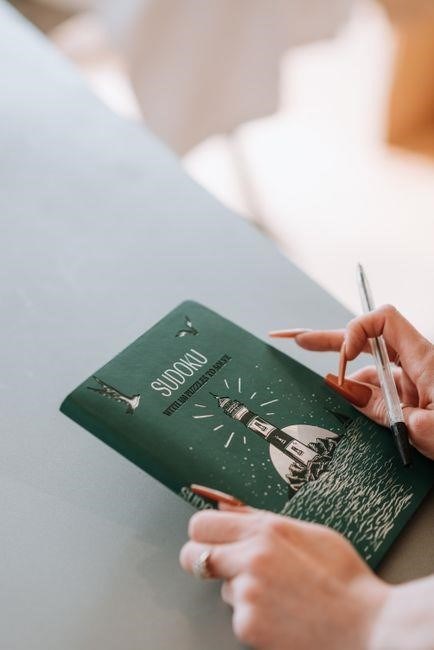
Keep the palette simple—no more than six colors—to avoid confusion․ Consistency across PDFs builds muscle memory for color cues․ When you encounter a new puzzle, jump straight into the color‑coded grid, identify promising cells, and execute the correct technique confidently․

Integrating color coding with annotation tools like Adobe Acrobat lets you add sticky notes to cells․ These notes can contain shorthand reminders—“X‑Wing” or “Naked Triple”—that pop up on hover․ Useful during timed competitions for instant recall without flipping manuals․ Combining color cues with quick annotations keeps solving flow uninterrupted․

Incorporate color coding into a daily routine: print a new PDF each day, color candidates, solve, then review the color patterns used․ Over weeks, you’ll see a reduction in time to identify key candidates․ Some solvers use a single color for all candidates and rely on internalized logic, effective for advanced players․
On a tablet, tap a cell to see its candidate list in a pop‑up․ Verify color assignments on the fly, ensuring accuracy․ Tactile interaction plus color cues speeds up solving․
Keep it․
Creating a Personal Cheat Sheet Within the PDF
Design a compact reference that fits on a single page․ Start by listing the most frequent techniques: Naked Singles, Hidden Singles, Pointing Pairs, X‑Wing, Swordfish, etc․ Use a two‑column table: left column for technique name, right column for a quick visual cue (e․g․, a colored icon or shorthand)․ Then add a section for “Common Mistakes” with brief reminders․ Finally, leave a blank area for personal notes or a running tally of solved puzzles․
When you print the PDF, choose a high‑resolution format so symbols stay sharp․ If you use a tablet, enable the annotation layer so you can tap a technique and instantly see a pop‑up with a concise description and an example․ This keeps the cheat sheet interactive and prevents the need to flip through external resources․
To keep the sheet up‑to‑date, schedule a weekly review․ Highlight any new patterns you’ve discovered, and delete techniques that no longer help your speed․ Over time, the cheat sheet becomes a personalized “speed‑solver’s bible” that you consult in seconds․
If you prefer a digital workflow, many PDF editors allow you to embed form fields․ Create drop‑down menus for each technique, so you can quickly select a rule and have its definition auto‑populate in a side panel․ This eliminates the need to flip back to a separate reference guide․
Finally, set a timer for each puzzle and log the time you spend consulting the cheat sheet․ Notice a drop in lookup time, proving the sheet’s effectiveness․ Keep it updated, you’ll solve faster and more accurately․!
Digital Annotation Tools and Quick Access
Modern PDF readers let you annotate on the fly, turning a static guide into a dynamic workspace․ Start by enabling the highlight tool; use a bright color for numbers that appear as naked or hidden singles․ Then add sticky notes next to rows or columns where you frequently spot pointing pairs or box‑line reductions․ Many apps support layered annotations, so you can toggle visibility of advanced techniques like X‑Wing or Swordfish without cluttering the page․
For rapid retrieval, create named bookmarks for each technique section․ A single tap jumps straight to the “Candidate Lines” or “Claiming” page, saving the time you’d spend scrolling․ If your device supports searchable text, type the technique name and the PDF will highlight every instance, making pattern recognition faster․
Keyboard shortcuts are a game‑changer․ On Windows, Ctrl+H for highlight, Ctrl+N for new note, and Ctrl+Shift+F to find text․ On macOS, use ⌘+H, ⌘+N, and ⌘+F․ Memorizing these reduces the friction between spotting a clue and marking it․
Finally, sync your annotations across devices via cloud storage․ Solve on a tablet during a commute, then review on a laptop at home․ The seamless sync ensures your cheat sheet evolves with your skill level, keeping every reference instantly accessible․
Practice using these tools; the more you annotate, the quicker you’ll locate patterns․ Over time, the PDF becomes a map of your solving habits, allowing you to focus on logic than searching for clues
Practice Routine: Scanning PDF and Incremental Solving
Begin each session by opening the PDF cheat sheet on a tablet or laptop․ Scan the page for the most common patterns—naked singles, pointing pairs, and X‑Wings—using a quick visual sweep․ Mark the first pattern you spot with a highlight, then immediately apply it to the Sudoku grid․ This “scan‑apply” loop trains your eye to recognize clues without pausing for deep analysis․
After the initial sweep, focus on a single technique for the next 10 minutes․ For example, dedicate a block of time to mastering pointing triples․ Work through three puzzles, annotating each step in the PDF․ The incremental approach ensures you build muscle memory for that technique before moving on․
When you finish a technique block, review the PDF notes and compare them to your solved grids․ Look for missed opportunities—places where the pattern existed but was overlooked․ Adjust your scanning speed accordingly, aiming to reduce the time between spotting and solving․
Repeat this routine daily, rotating through the major techniques listed in the PDF․ Over weeks, the scanning process becomes almost reflexive, allowing you to solve puzzles faster and with fewer errors․ The PDF acts as a living reference, growing richer as you annotate new insights․